

Ancient Mysteries and Secret Powers of Honey
MountBee Team
Author
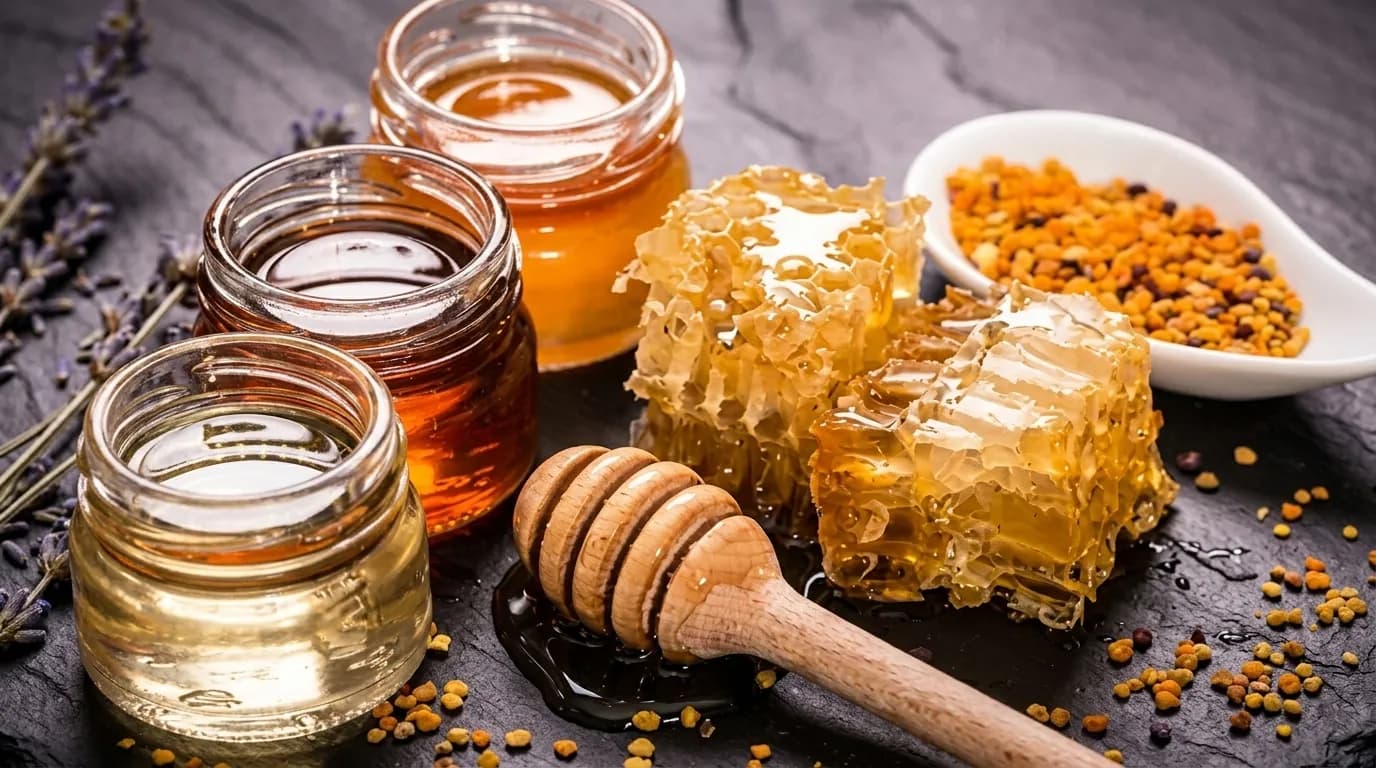
Honey is one of the very few foods that never spoils. Archaeologists excavating ancient Egyptian tombs have frequently discovered pots of honey that are thousands of years old—yet still perfectly edible. This miraculous preservation property has shrouded honey in mystery since antiquity.
The Eternal Preservative
How does honey resist the decay that claims all other organic foods? The secret lies in its biology. Honey is extremely low in moisture, making it highly osmotic—meaning it draws water out of any microbes that try to grow in it. Combined with its high acidity and trace amounts of hydrogen peroxide, honey creates an impenetrable barrier against decomposition. The ancients recognized this and used honey not only to preserve food but also in embalming and wound care.
The 'Ambrosia' of the Gods
In Greek mythology, gods consumed ambrosia and nectar, widely believed to be based on wild mountain honey. Aristotle wrote extensively about the medicinal value of honey, calling it a "salve for all sores." Philosophers and mathematicians like Pythagoras recommended a diet rich in honey to promote longevity, intellectual clarity, and physical strength.
Hidden Medieval Recipes
Throughout the Middle Ages, monks carefully guarded the secrets of honey-based elixirs, meads, and remedies. Mead—the oldest fermented beverage known to humanity—was considered an elixir of wisdom and poetry. These historical formulations are now being rediscovered by modern science, validating the ancient wisdom that honey is far more than a simple foodstuff.
The secret powers of honey continue to bridge the gap between ancient mysticism and modern chemistry, proving that some mysteries are best enjoyed one spoonful at a time.